SYSU Cancer Center | Patient Triage Agent
Problem & Demand
After cancer surgery, many patients in China face a cruel reality: they can't afford extended hospitalization, so they go home. But complications don't stay in the hospital. A fever that might be nothing. A wound that won't heal. A pain that could be normal recovery — or a life-threatening infection.
These patients trust exactly one person: the chief physician who performed their surgery. Not an AI chatbot. Not a general practitioner. Their surgeon. When they can't get a response on WeChat — the doctor is in surgery, in rounds, with other patients — some travel hundreds of kilometers back to the hospital. Some kneel in the hallway outside the doctor's office, desperate for an answer to a message sent days ago.
The doctor, already stretched beyond human limits, finds these messages buried in an endless inbox. A patient asking about medication timing looks identical to a patient describing sepsis symptoms. Both are just unread WeChat messages. This wasn't just inefficient — it was dangerous. The cost of missing one critical message was unthinkable.
Solution
We built an AI agent connected to the physician's personal WeChat account, serving a chief physician at Sun Yat-sen University Cancer Center. On a regular schedule, the agent reads incoming patient messages, classifies each by clinical urgency, and produces a prioritized digest.
The agent understands enough clinical context to distinguish 'I feel a bit tired today' from 'My surgical wound is oozing and I have a 39°C fever' — and escalates accordingly. A patient with critical post-operative symptoms is flagged immediately and surfaced to the top. A routine medication refill question is batched for later review. The doctor opens a structured briefing instead of scrolling through an undifferentiated, anxiety-inducing list.
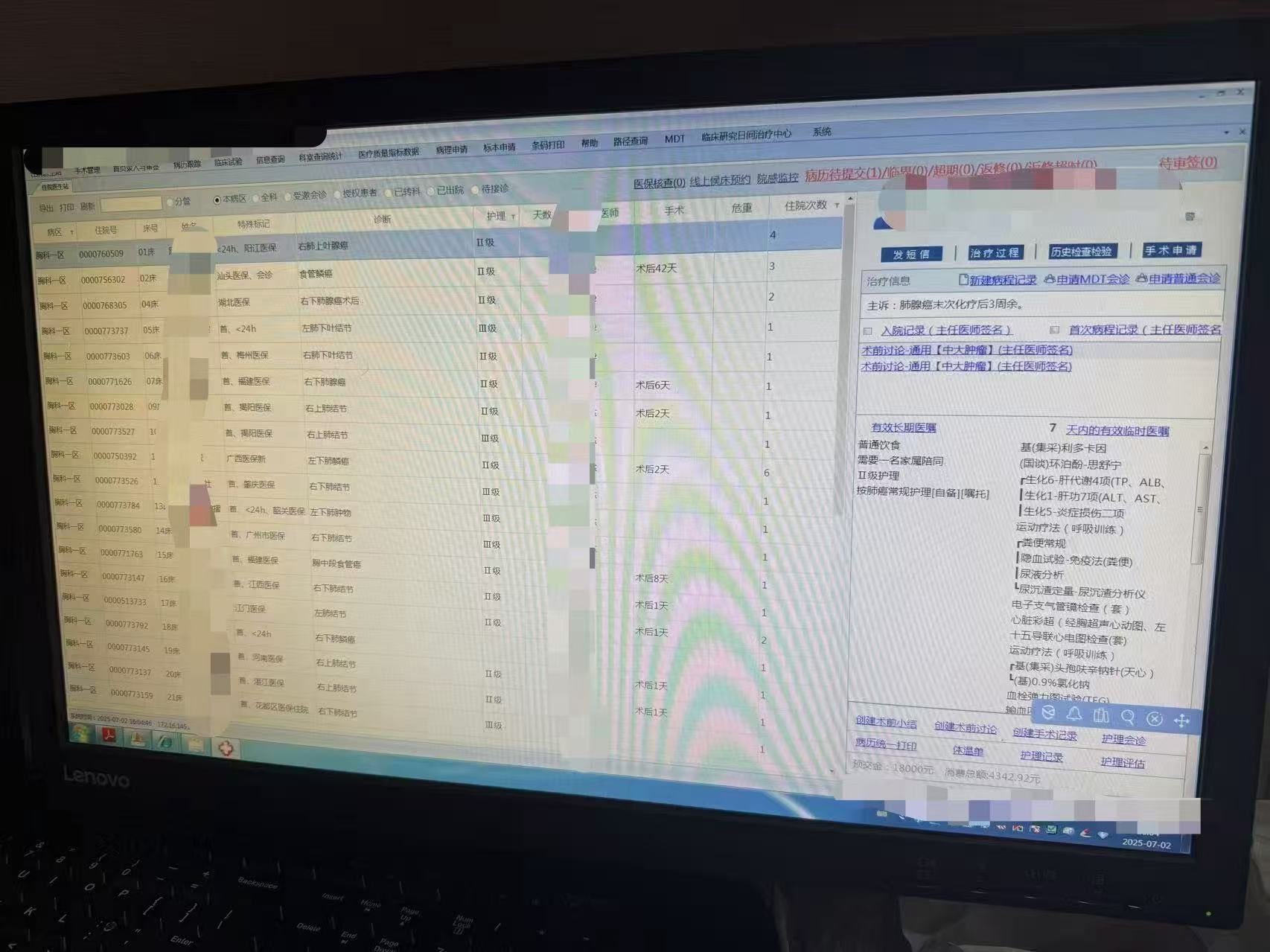
Due to patient privacy and medical data sensitivity, we cannot show the actual deployed system with real patient information. The screenshot below demonstrates the same triage logic using de-sensitized scenarios — built with wx-cli for WeChat integration and opencli for the agent orchestration layer.
The impact: the doctor's message-processing time dropped from hours of scrolling through WeChat every day to a focused 15-minute triage review. Critical post-surgical cases surface in minutes, not days.
But the real outcome isn't measured in time saved. It's measured in what no longer happens: no patient with a life-threatening post-surgical complication gets buried in the inbox. No one has to travel across the country and kneel in a hospital hallway to be heard. Behind the metrics are real people — patients who now get a response when it matters most.